新書推薦:
《
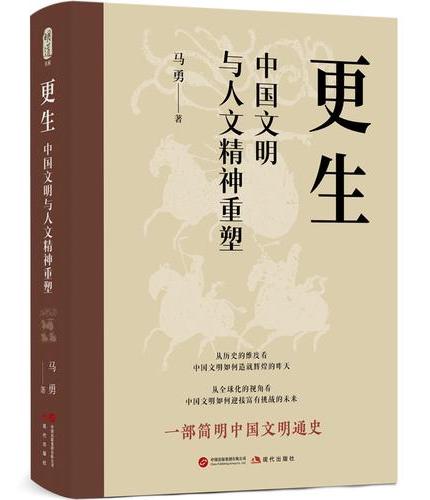
更生:中国文明与人文精神重塑
》
售價:HK$
162.8

《
四海之内:中国历史四十讲
》
售價:HK$
97.9

《
万亿低空:技术核心篇 低空经济
》
售價:HK$
107.8
《
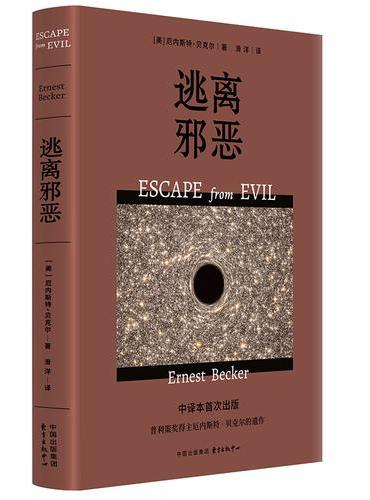
逃离邪恶(中译本首-次出版 普利策奖得主厄内斯特·贝克尔遗作 《拒斥死亡》姊妹篇)
》
售價:HK$
107.8

《
萤火虫全球史072:图说中世纪医学简史
》
售價:HK$
82.5
《
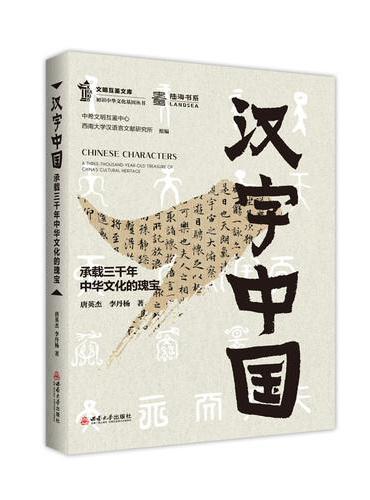
汉字中国:承载三千年中华文化的瑰宝
》
售價:HK$
42.9
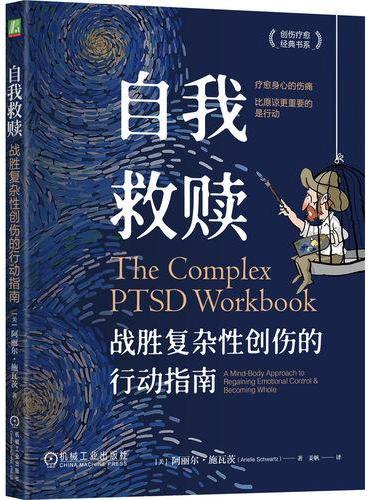
《
自我救赎:战胜复杂性创伤的行动指南
》
售價:HK$
64.9
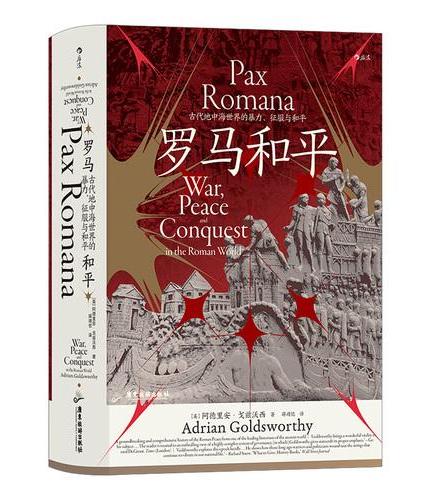
《
罗马和平新版 古代地中海世界的暴力 征服与和平 汗青堂丛书109
》
售價:HK$
116.6
|
| 編輯推薦: |
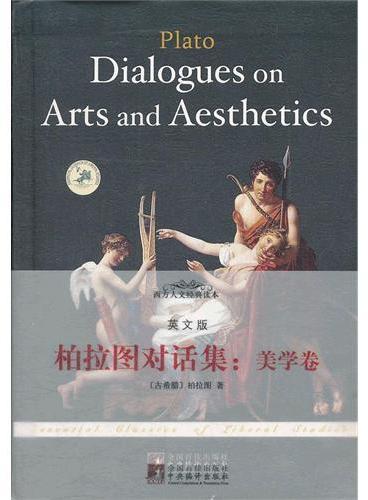
在西方,柏拉图一项被称作哲学家中的哲学家。柏拉图散见于各篇对话中有关艺术及美学方面的论述是西方美学和文艺学的重要源头,举凡《理想国》有关艺术功用的探讨;《大希庇阿斯篇》有关美与形式、质料之间的关系的论述;《会宴篇》有关美的本质的对话,并断言美是一种先验的绝对理式,“是永恒的,无始无终的,不生不灭、不增不减的。一切美的事物都以它为源泉,有了它,那一切美的事物才成其为美”,第一次将人类的审美活动上升到哲学层面来考量。凡此种种,都为后世的美学家解决审美体验、美的本质等问题开了无数方便法门。
本书所选各篇均配有英国著名古典学家本·乔伊特撰写的导言,既对占希腊社会生活概貌有生动的介绍,又清晰地勾勒出柏拉图学说的基本构架,十分有益f初学者入门。
|
| 內容簡介: |
PLATO HAD a love-hate relationship with the arts. He must have
had some love for the arts, and his influence on western culture
generally is a very strong one, and this includes a strong
influence on the arts, and on theories of art.
Beauty,Justice, and Circle are all examples of what Plato called
Forms or Ideas. For Plato, these Forms are perfect Ideals, but they
are also more real than physical objects. He called them "the
Really Real", so art is imitation, and the best human life is one
that strives to understand and to imitate the Forms as closely as
possible.
|
| 關於作者: |
PLATO(424423 BC-348347 BC), was a Classical Greek
philosopher, mathematician, student of Socrates, writer of
philosophical dialogues, and founder of the
Academy in Athens, the first institution of higher earning in the
Western world, just as A.N. Whitehead says:
The safest general characterization of the European philosophical
tradition is that it consists of a series of footnotes to Plato, I
do not mean the systematic scheme of thought which scholars have
doubtfully extracted from his writings, I allude to the wealth of
general ideas scattered through them.
Plato''s dialogues have been used to teach a range of subjects,
including philosophy, logic, educes, rhetoric, and mathematics.
|
| 目錄:
|
I ION
INTRODUCTION
ION
II REPUBLIC(BOOKII、 BOOKIII、 BOOKX)
INTRODUCTION
REPUBLIC
III PHAEDRUS
INTRODUCTION
PHAEDRUS
IV HIPPIASMAJOR
V SYMPOSIUM
INTRODUCTION
SYMPOSIUM
VI PHILEBUS
INTRODUCTION AND ANALYSIS
PHILEBUS
VII LAWS (BOOKII)
INTRODUCTION AND ANALYSIS
LAWS(BOOK II)
|
|

 購物車/收銀台(0) | 在線留言板
| 付款方式
| 運費計算
| 聯絡我們
| 幫助中心 |
加入書簽
購物車/收銀台(0) | 在線留言板
| 付款方式
| 運費計算
| 聯絡我們
| 幫助中心 |
加入書簽 HOME
HOME 新書上架
新書上架 暢銷書架
暢銷書架